Choosing between KoalaWriter vs GravityWrite can feel tricky when both promise quality AI-generated content. If you want structured, SEO-friendly articles with minimal setup, KoalaWriter offers a smoother, more integrated experience. On the other hand, GravityWrite focuses on versatility and a wide range of content types, which may suit different creative needs.

With KoalaWriter, you get both KoalaWriter and KoalaChat in one plan, making it easy to switch between long-form writing and conversational AI. GravityWrite leans into flexibility, offering tools for various formats, but may require more manual input to match KoalaWriter’s polished structure.
Your choice comes down to what matters more — consistent, ready-to-publish articles or a broader set of creative tools. Knowing these differences upfront helps you pick the platform that aligns best with your workflow and goals.
Key Takeaways
-
- KoalaWriter delivers structured, SEO-ready articles with less effort.
-
- GravityWrite offers more flexibility across content types.
-
- The best choice depends on your workflow and publishing needs.
KoalaWriter vs GravityWrite: Key Differences

When you compare these two AI writing tools, you’ll notice differences in the technology they use, how easy they are to work with, the quality of the output, and the range of formats they support. These differences can affect how fast you create content, how much editing you need to do, and how well the final text fits your needs.
AI Technology and Language Models
KoalaWriter runs on GPT‑3.5 and GPT‑4, giving you the option to choose between speed and higher-quality output. It also integrates real-time search data, which can help you create more relevant and up-to-date content.
GravityWrite focuses on AI-assisted writing but does not highlight the same level of model choice or live data scraping. This can make it less flexible if you want the latest information in your text.
If you often create SEO-optimized long-form blog posts, KoalaWriter’s built-in SERP analysis can be a plus. GravityWrite offers solid AI generation but may require more manual research to match the same depth.
User Interface and Experience
KoalaWriter has a user-friendly interface that feels modern and easy to navigate. You can quickly set your project, select the tone, and adjust settings without needing prompt engineering skills.
GravityWrite’s interface is also simple, but it focuses more on straightforward text generation rather than offering a wide range of customization in one place.
KoalaWriter includes features like outline editing before writing starts and automatic saving to WordPress drafts. These small touches can save you time if you publish often. GravityWrite keeps things minimal, which can be faster for short projects but may limit control for complex tasks.
Content Generation Quality
With KoalaWriter, you can produce publish-ready content that often needs only light editing. The bulk mode lets you create multiple SEO-friendly articles at once, which is useful if you manage several sites or need high output. You can learn more in this KoalaWriter review.
GravityWrite generates clear and readable text but may not match KoalaWriter’s depth in keyword integration or structure for long-form pieces. You might find yourself spending more time refining drafts for SEO or flow.
Supported Content Types
KoalaWriter supports a variety of formats, including Amazon product reviews, YouTube-to-article conversions, and standard long-form blog posts. You can also choose tone, length, and point of view for each project.
GravityWrite covers common content needs like blog posts, social media captions, and marketing copy. However, it doesn’t highlight specialized tools like KoalaWriter’s YouTube conversion or detailed SEO keyword extraction.
SEO and Content Optimization Features

Both KoalaWriter and GravityWrite offer AI-powered SEO features that check your content against best practices.
KoalaWriter: Real-time SEO suggestions, keyword density checks, title tag recommendations.
GravityWrite: Automated SEO adjustments for speed, but less manual control.
Keyword Research Capabilities
KoalaWriter includes built-in keyword tools that pull real-time search data and suggest related terms, including competition levels and search volume.
GravityWrite’s keyword research is simpler and may require external tools like LowFruits for deeper analysis.
Internal Linking and Meta Descriptions
KoalaWriter scans your site for relevant internal links and generates keyword-focused meta descriptions.
GravityWrite generates meta descriptions but doesn’t offer internal linking — you’ll need to do that manually.
Content Creation Workflow and Integrations

KoalaWriter supports:
-
- Outline editing before generation
-
- Instant publishing to WordPress
-
- Export to HTML
-
- API access for automation
-
- Google Sheets integration
GravityWrite supports:
-
- Template-based drag-and-drop planning
-
- Scheduling content
-
- Analytics integrations (Google Analytics, social platforms)
Amazon Product Roundup and Affiliate Articles
KoalaWriter can pull live Amazon product data for affiliate articles — descriptions, prices, reviews — and format them into lists, comparison tables, or reviews.
GravityWrite supports affiliate content but requires manual product data input.
KoalaWriter Pricing Overview

KoalaWriter uses a flexible, word-based pricing model, which means you pay for the number of words generated each month rather than a fixed number of projects or credits. This is ideal if your content needs vary — you can scale up during busy months and scale down when things are quieter.
-
- Free Trial: 5,000 words included — no payment required to start.
-
- Paid Plans: Multiple tiers based on monthly word count and whether you use GPT‑3.5 (faster, cheaper) or GPT‑4 (slower, higher quality).
-
- Scalability: Works well for solo bloggers, but also supports agencies managing multiple clients with bulk content needs.
-
- Extra Value: KoalaWriter includes KoalaChat in all plans, so you get both a long-form writer and a conversational AI assistant without paying separately.
This model is especially cost-effective if you produce a high volume of SEO-optimized blog posts, Amazon affiliate articles, or YouTube-to-article conversions.
GravityWrite Pricing Overview
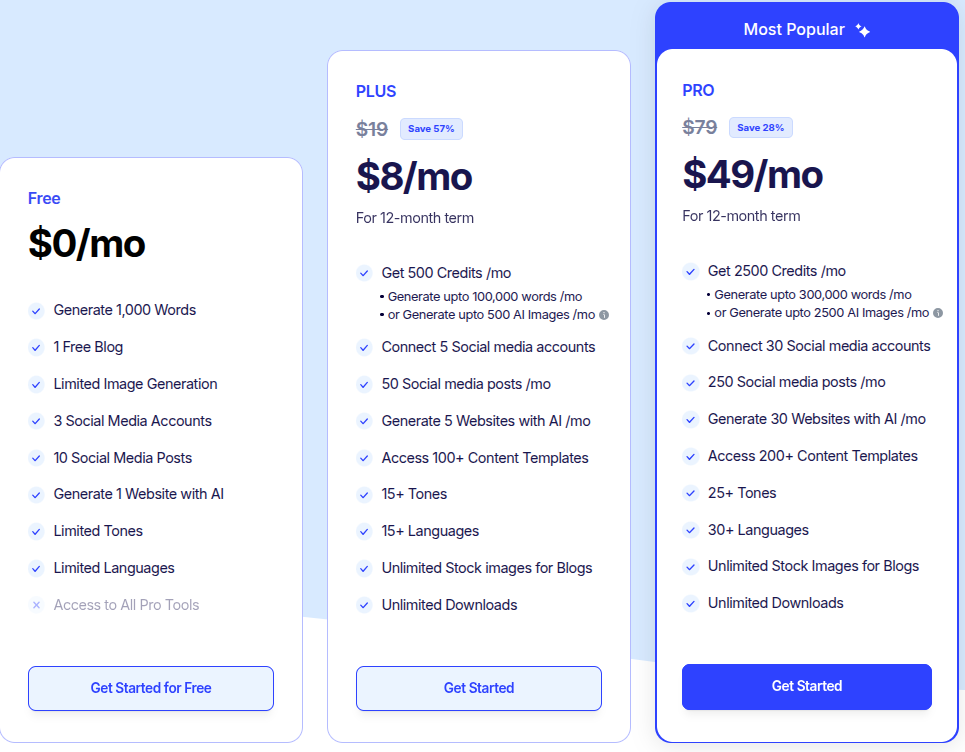
GravityWrite uses a credit-based model, where each piece of content or certain actions consume credits. This can be useful if you work on consistent, smaller projects like ad copy, product descriptions, or social media posts.
-
- Free Plan: Limited credits to test the platform.
-
- Paid Plans: Tiers based on monthly credit limits — once you run out, you must upgrade or wait until the next billing cycle.
-
- Predictable Output: Works best if you know exactly how many pieces you’ll create each month.
-
- All-in-One Access: All templates are included in every plan, so you don’t have to pay extra for specific content types.
However, if you regularly create long-form articles, you may burn through credits quickly, which could make it more expensive than KoalaWriter for that use case.
KoalaWriter vs GravityWrite
KoalaWriter is best for:
-
- Bloggers and affiliate marketers needing SEO-ready long-form content.
-
- Agencies producing high volumes of articles for multiple clients.
-
- Creators who want real-time data integration for up-to-date content.
-
- Writers who value outline control, SERP analysis, and WordPress publishing.
GravityWrite is best for:
-
- Users who prefer a credit-based system for predictable monthly output.
-
- E-commerce store owners creating product descriptions.
-
- Social media managers producing captions, ad copy, and short posts.
-
- Marketers who want varied content templates in one platform.
Frequently Asked Questions
What’s the main difference?
KoalaWriter is best for SEO-optimized long-form content. GravityWrite is best for quick, versatile content creation.
Which is better for SEO?
KoalaWriter — real-time data + SERP analysis.
Which is easier to use?
Both are beginner-friendly, but KoalaWriter has more built-in guidance for blog workflows.
Final Verdict
If you need real-time data, advanced SEO tools, and long-form blog content, KoalaWriter is the stronger choice.
If you want a variety of templates for quick marketing copy, GravityWrite is worth considering.
For bloggers and affiliate marketers, KoalaWriter’s research-driven approach will likely save more time and deliver better search rankings. For social media managers or ad copywriters, GravityWrite’s versatility may be more appealing.